
Territory has a voice too. And too often, that voice has been male. Streets, squares, monuments… they speak of men who built, who decided, who left their mark. But there is another memory —often invisible but deeply rooted— that also runs through towns and landscapes: the voice of women.
In El Poble Nou de Benitatxell, as in many other places, women have contributed silently but essentially to the identity of the town. They have cared for others, worked the land, passed down traditions, and sustained daily life. This post is a tribute to that presence —an emotional and symbolic route through places with a woman’s voice.
The Washhouse: the heartbeat of daily life
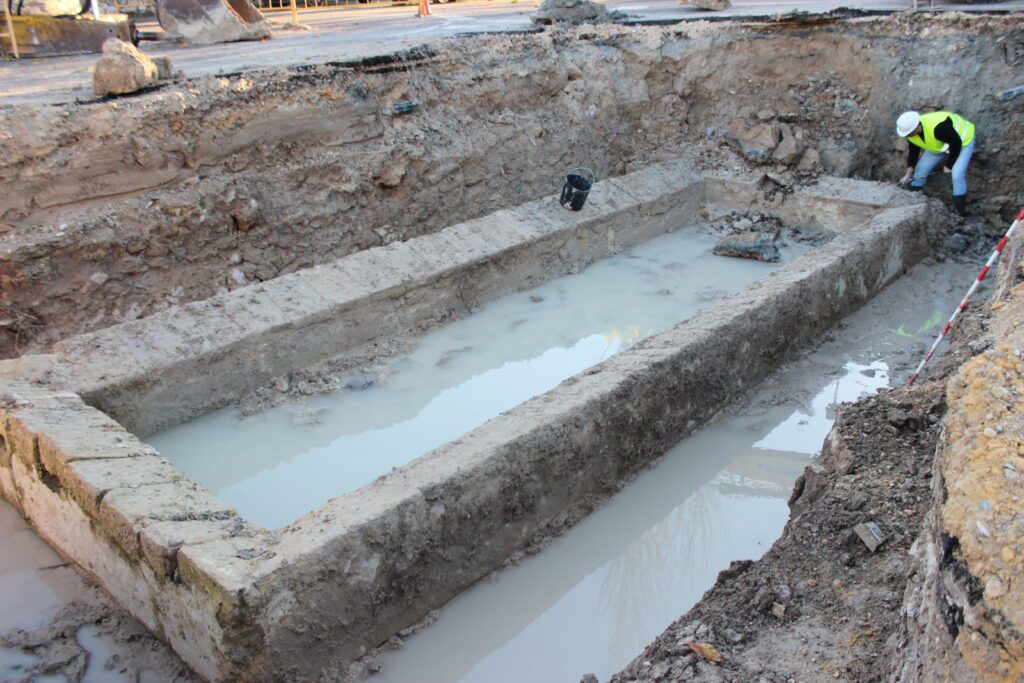
Located just a few minutes from the town centre, the washhouse was much more than a place to do laundry. It was a social space, a gathering point. Women would meet there, share news, talk about their lives, and support one another.
Dry-stone walls: sweat, strength and perseverance
Women have also worked the land. They helped with harvests, carried water jars, herded goats, raised children while doing countless other tasks. Walking the dry-stone routes is to tread a landscape built also by women’s hands.
Every wall, every terrace is a lesson in patience—a testament to how life can be sustained in a harsh territory. It is architecture without a signature, but full of craftsmanship.
The cemetery: names that deserve to be remembered
At Benitatxell’s cemetery, as in all cemeteries, there are names of women who lived, loved, suffered, and fought. Women with no statues or streets named after them, yet who form part of the living history of the town.
A walk through the cemetery can also be an act of remembrance, of inquiry. Who were they? What did they do? What role did they play in the community? Local history is also built from these absences.
The kitchen of a village bar: masters of the fire
Even today, in many of the town’s bars, the kitchens are still run by women. Women who keep the pots boiling, prepare traditional dishes, and serve with a weary smile. Local cuisine—with its bold roots and intense flavor—could not be understood without them.
The schools of the past: teachers who gave it all
For decades, education in villages like Benitatxell largely depended on female teachers who did far more than teach reading and writing. They were role models, mediators, caregivers.
Some of them left a profound mark on entire generations. Perhaps they have no plaque today, but their names live on in the memory of many adults in the town.
The market and local shops: domestic economy and resilience
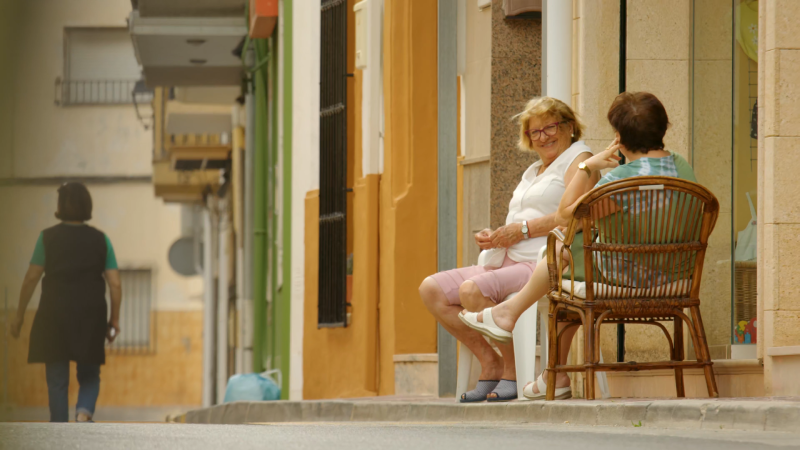
The market, the village shops, the fruit or bread stalls—these have always been women’s spaces. Women have run household economies, sold, bought, and kept daily life alive.
Even today, many of Benitatxell’s shops have a woman’s soul. They know their customers’ names, their preferences, and they care for every detail. It’s another way of doing business—close, heartfelt, personal.
Silence: a presence that must be heard
Many of these women did not raise their voices. They didn’t write books or give speeches. But their silence was active—full of gestures, care, and constant work.
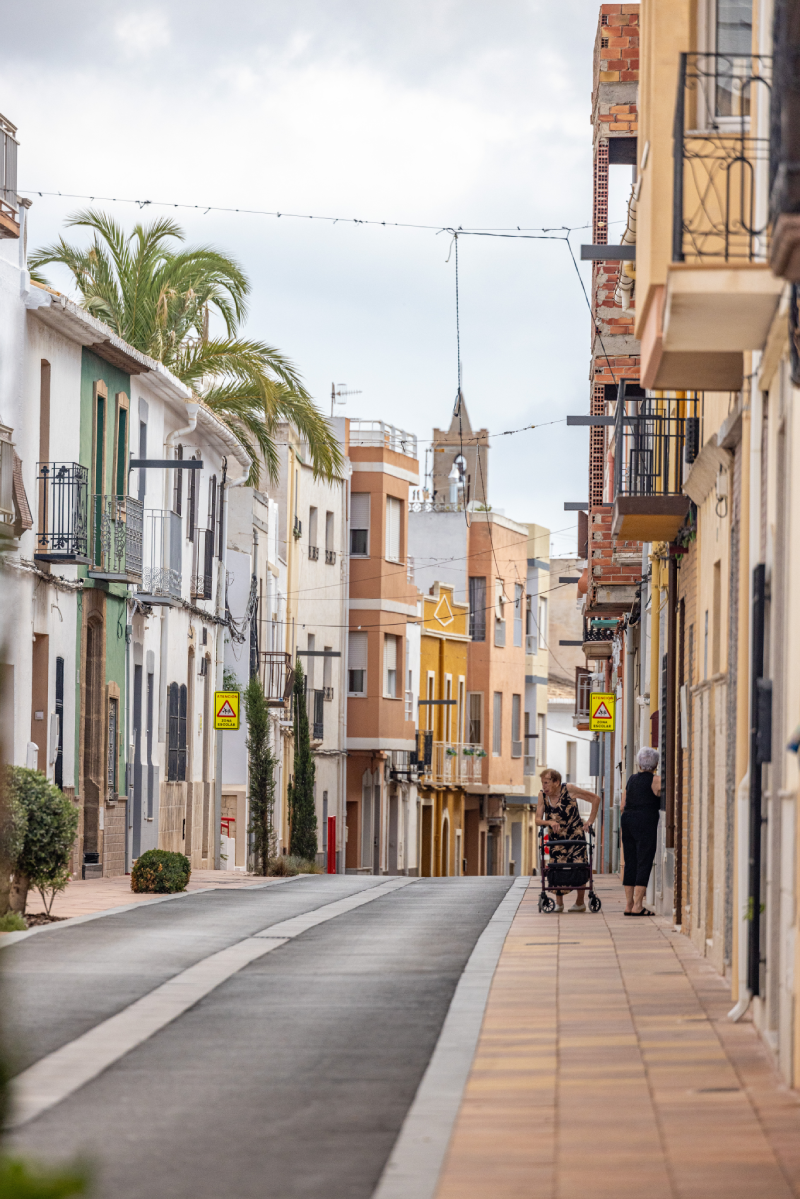
Exploring the village with this perspective is an act of justice. It means valuing what was never spoken, but was always done. It brings dignity to what doesn’t appear in history books, but which has sustained history itself.
An emotional route for everyone
Visiting places with a woman’s voice is not just about remembering. It transforms the way we look at the landscape. It helps us understand that behind every corner, there are stories worth recovering.
In El Poble Nou de Benitatxell, the female legacy is discreet but deep. We must learn to read it. To listen. And to walk it.
So next time you visit, we invite you to do so with this in mind: to not only discover a village, but also the women who make it possible.
Actions for equality
The recognition of women’s voices has gone beyond words. In recent years, El Poble Nou de Benitatxell Town Hall has promoted a wide range of initiatives to highlight women’s roles and foster real equality.
Every 8 March, the town marks International Women’s Day with cultural activities, readings, tributes and recognitions of local women who have paved the way. Workshops, exhibitions and educational campaigns have also been launched to promote equality from schools and families.
On 25 November 2025, Benitatxell raised its voice with the slogan: “Silence makes us complicit. Let’s speak up”, joining the collective commitment against gender violence.
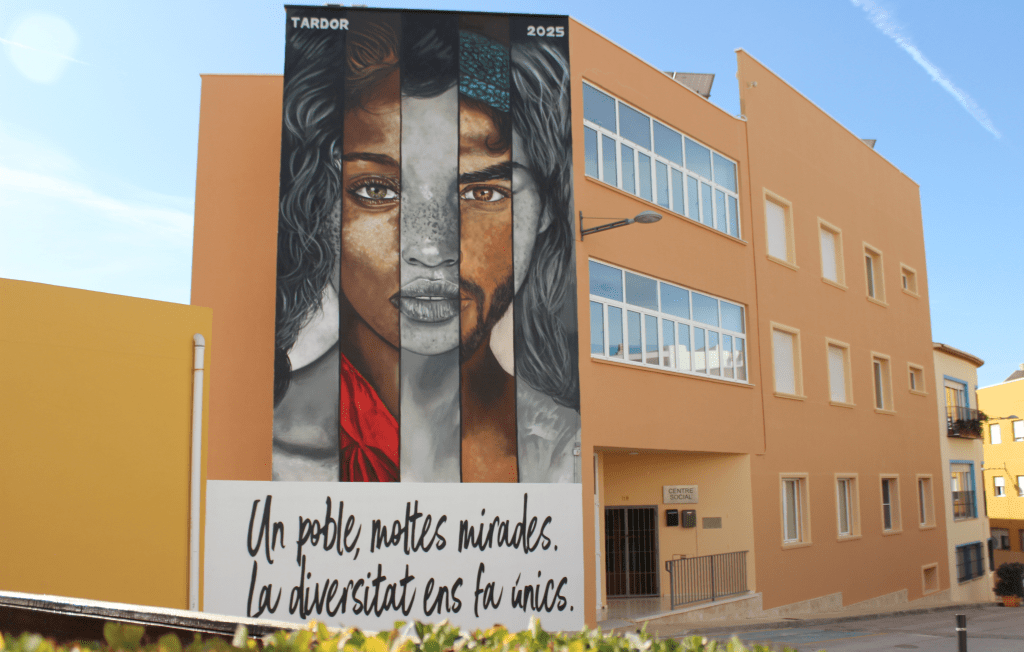
The Town Hall has collaborated with feminist and cultural groups to keep this spirit alive and has promoted artistic projects such as the mural by the artist Tardor at the Social Centre, a symbol of diversity in nationalities and cultures.
The town has also brought history to life through theatrical routes, where a feminine perspective guides visitors through the streets and corners of the municipality to recall voices that time had silenced. A way to walk and listen to living memory.
With all these actions, Benitatxell continues to weave a shared story—where equality is something to be lived, heard and walked.