
When you walk along the trails and rural paths of El Poble Nou de Benitatxell, you’re not only greeted by spectacular views of cliffs and vineyards. You also discover a true open-air natural garden: the native Mediterranean vegetation. This plant landscape, both austere and resilient, has adapted over centuries to a climate defined by intense sun and scarce rainfall.
The Department of Tourism often organises ecotourism walks to help visitors learn more about the flora surrounding the town. Check the website to see if there’s one happening during your visit.
In the meantime, this post is an invitation to open your eyes—and your curiosity. A simple reminder to pause for a few minutes and observe the plants around you: each has a story, a role in the ecosystem, and often, a traditional use rooted in our culture.
Rosemary: the scent of the mountains
Unmistakable and everywhere. Rosemary (Rosmarinus officinalis) is one of the most common and easily recognised plants in our landscape. You’ll find it on nearly any path, with its narrow green leaves and bluish flowers that bloom in spring.
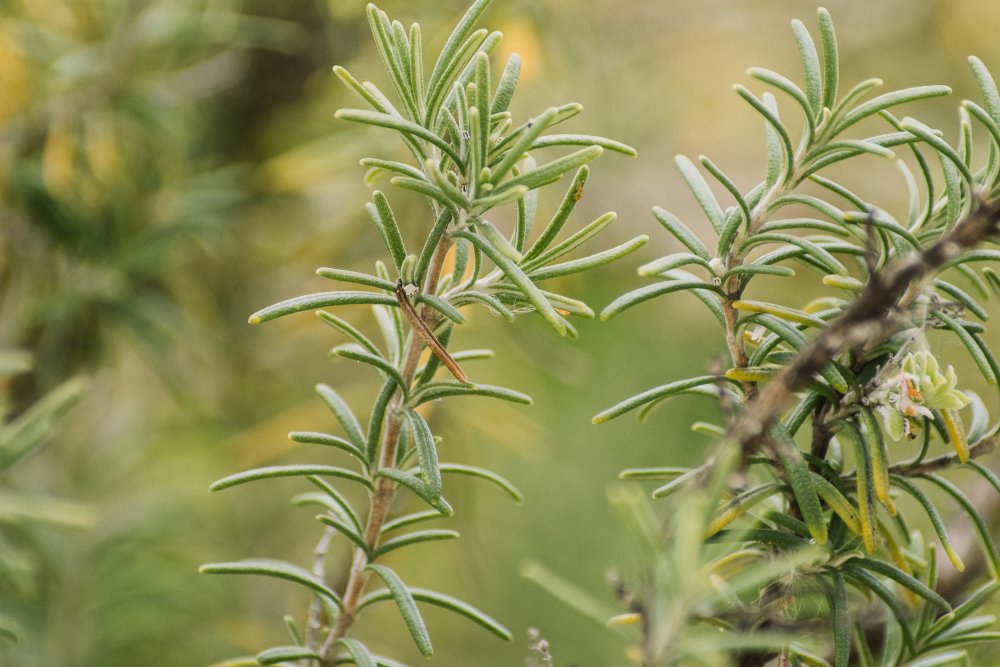
More than just a pleasant scent, rosemary has been used since ancient times as both a medicinal plant and a culinary herb. A fresh sprig added to the oven or grill brings out an unmistakable Mediterranean flavour.
Lavender: a touch of colour and calm
With its vibrant purple colour and soft perfume, lavender (Lavandula stoechas) blooms especially in late winter and spring. It’s a favourite of bees and other pollinating insects.
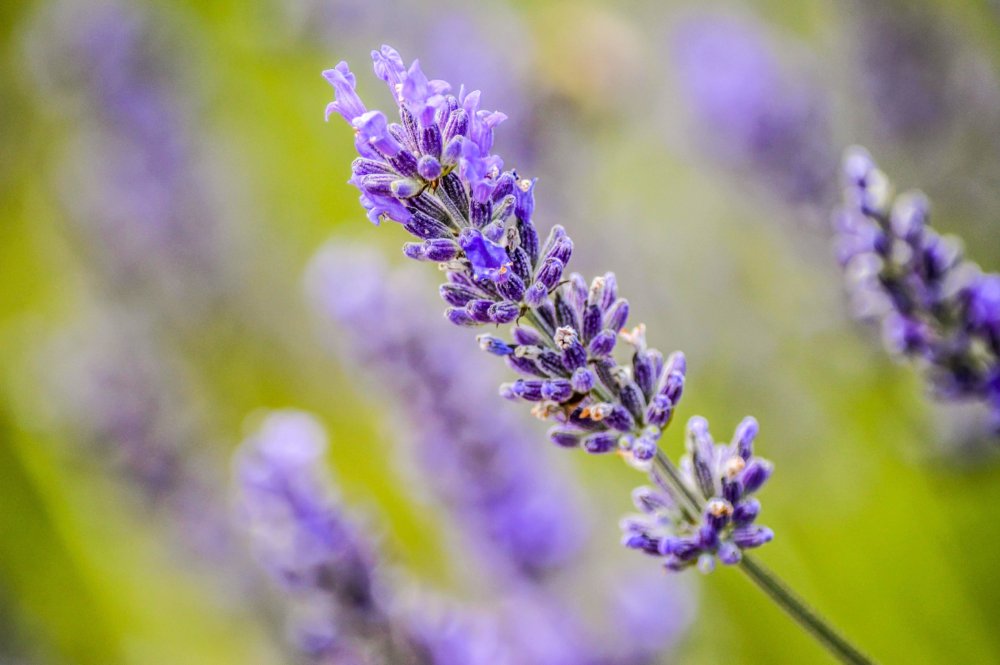
In the past, its flowers were used to perfume clothing and as a calming remedy. You’ve surely seen many scented products made with lavender. Today, it remains a symbol of peace and balance.
Gorse: prickly beauty
Gorse (Ulex parviflorus) is a thorny shrub with bright yellow flowers that bloom in winter when the landscape seems driest and most barren. It may not invite touch, but it’s essential for local wildlife, providing shelter for many birds.
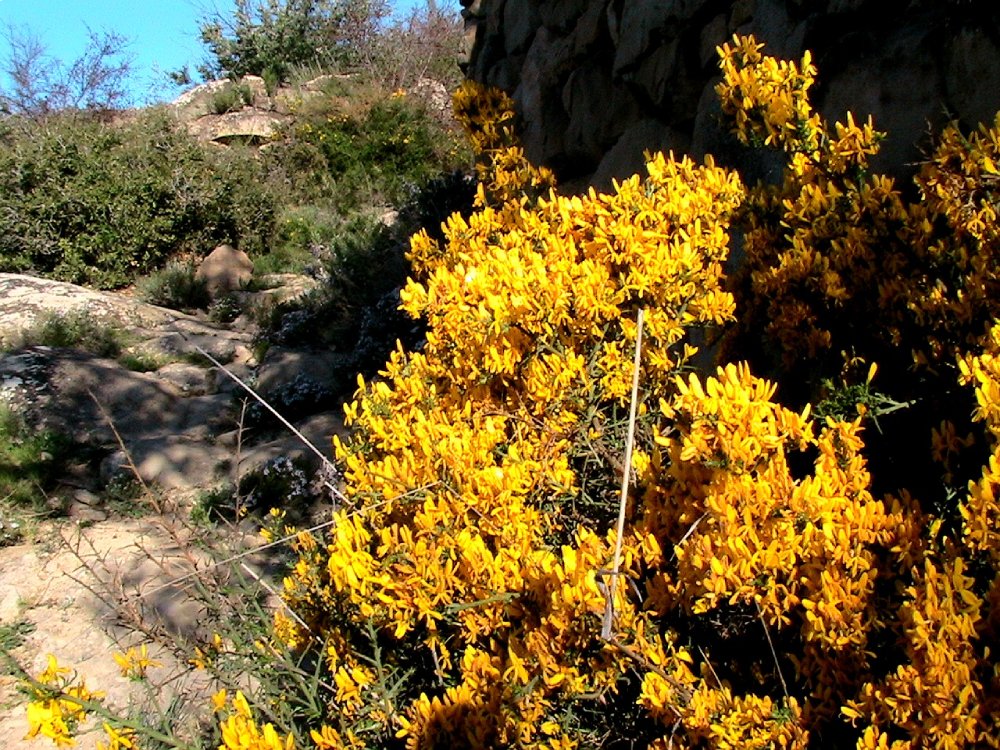
If your chosen route is lined with gorse, you might wish you’d worn long trousers!
Dwarf fan palm: the most Mediterranean palm
The dwarf fan palm (Chamaerops humilis) is the only native palm in Europe (yes, really—all the others you see are non-native), and an icon of the Mediterranean landscape. It grows as a low, sturdy shrub with fan-shaped leaves. Its fibres have traditionally been used to make ropes, brooms, and handicrafts. In Benitatxell, the craft of weaving with palm fibres—fer llata—was used especially for making baskets.
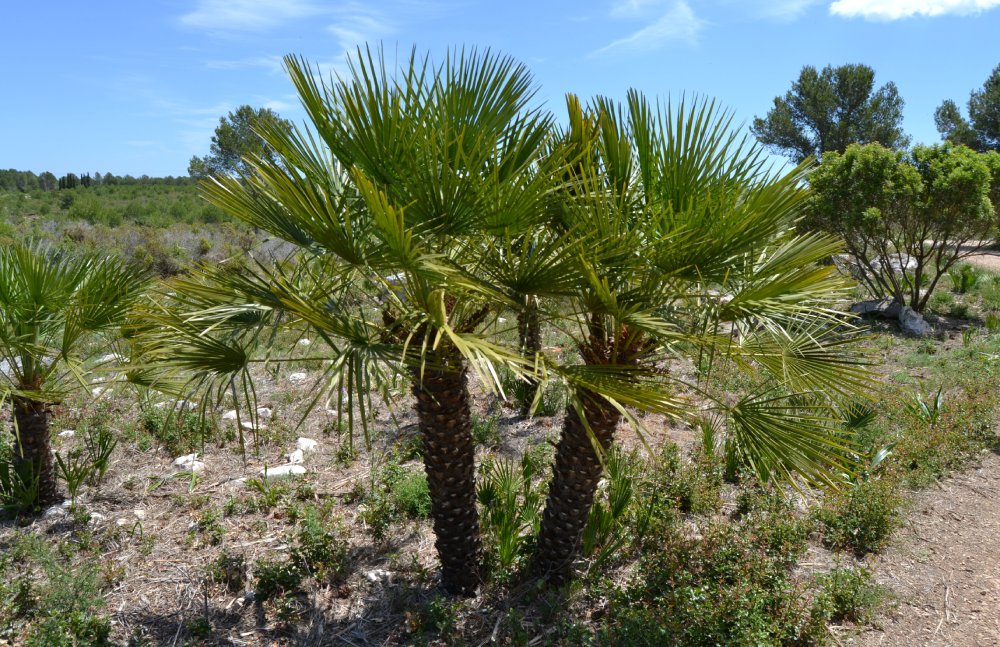
You’ll spot the dwarf fan palm in sunny, rocky areas, especially on paths near the cliffs—like those leading to Morro Roabit.
Mastic tree: evergreen resilience
The mastic tree (Pistacia lentiscus) is a hardy evergreen shrub with a distinctive smell and deep green leaves all year round. Its resin, called mastic, was once used as a chewing gum and mouth freshener.
This is one of the most drought-resistant plants and helps stabilise soil, preventing erosion.
Santolina and other aromatic herbs
Other common plants include santolina (Santolina chamaecyparissus), with its small yellow flowers and fresh herbal smell; as well as thyme, sage and even fennel (widely used in local cuisine, especially in the summer snail dishes cooked in countryside cottages). This array of herbs turns any walk into a sensory experience.
Tips for your walk
Whether you’re walking along routes like La Granadella, Morro Roabit, Parc de les Fonts or trails near riuraus and vineyards, we recommend:
Walking slowly, without rushing
Putting on your “amateur botanist” glasses: notice the shapes and colours
Not picking or damaging any plants—photos and memories are the best souvenirs
In spring and autumn, when the light is softer, the colours and scents are at their most vibrant.
Why are these plants so important?
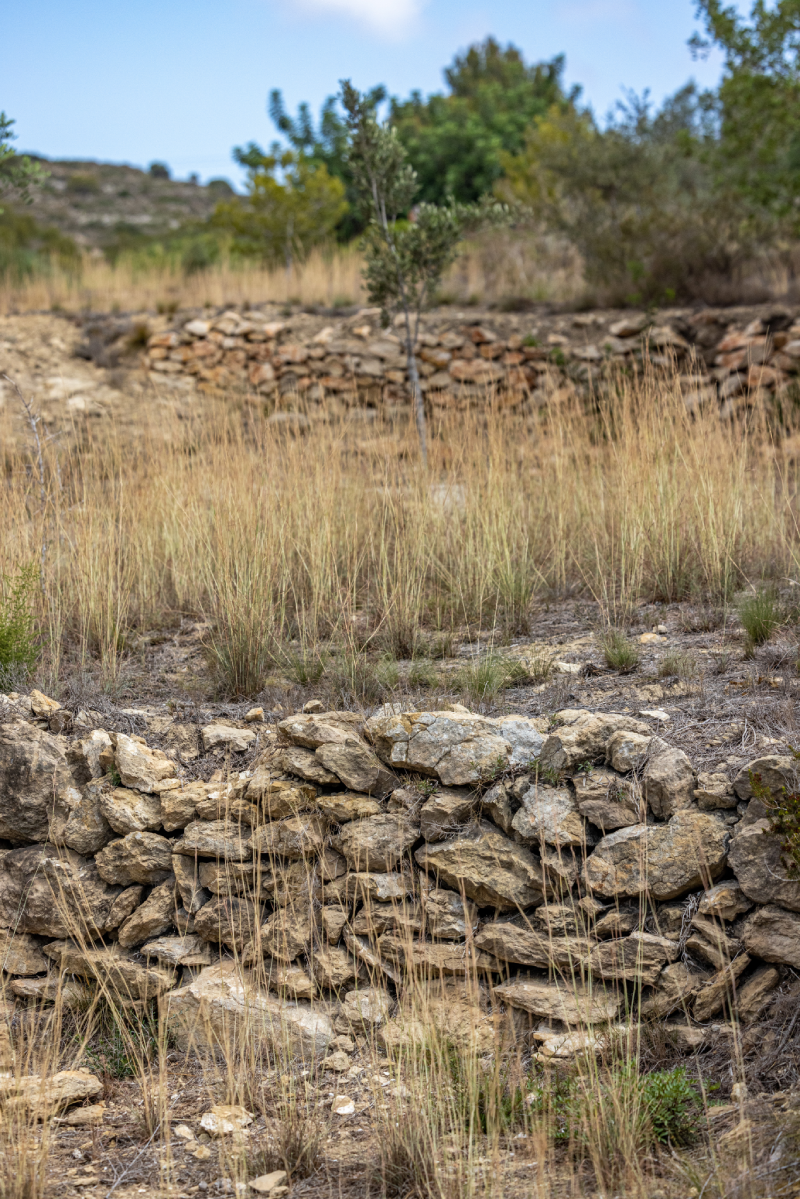
Mediterranean vegetation is our first line of defence against wildfire and desertification. Its roots help protect the soil, provide shelter for birds, insects and small mammals, and form part of a natural heritage that is also cultural. Without these plants, the landscape we know in El Poble Nou de Benitatxell simply wouldn’t be the same.
Discover it for yourself
The best part of this “natural garden” is that it’s free, open-air, and accessible to everyone. We invite you to explore the trails and natural areas of Benitatxell, and to breathe in the Mediterranean with all your senses.